
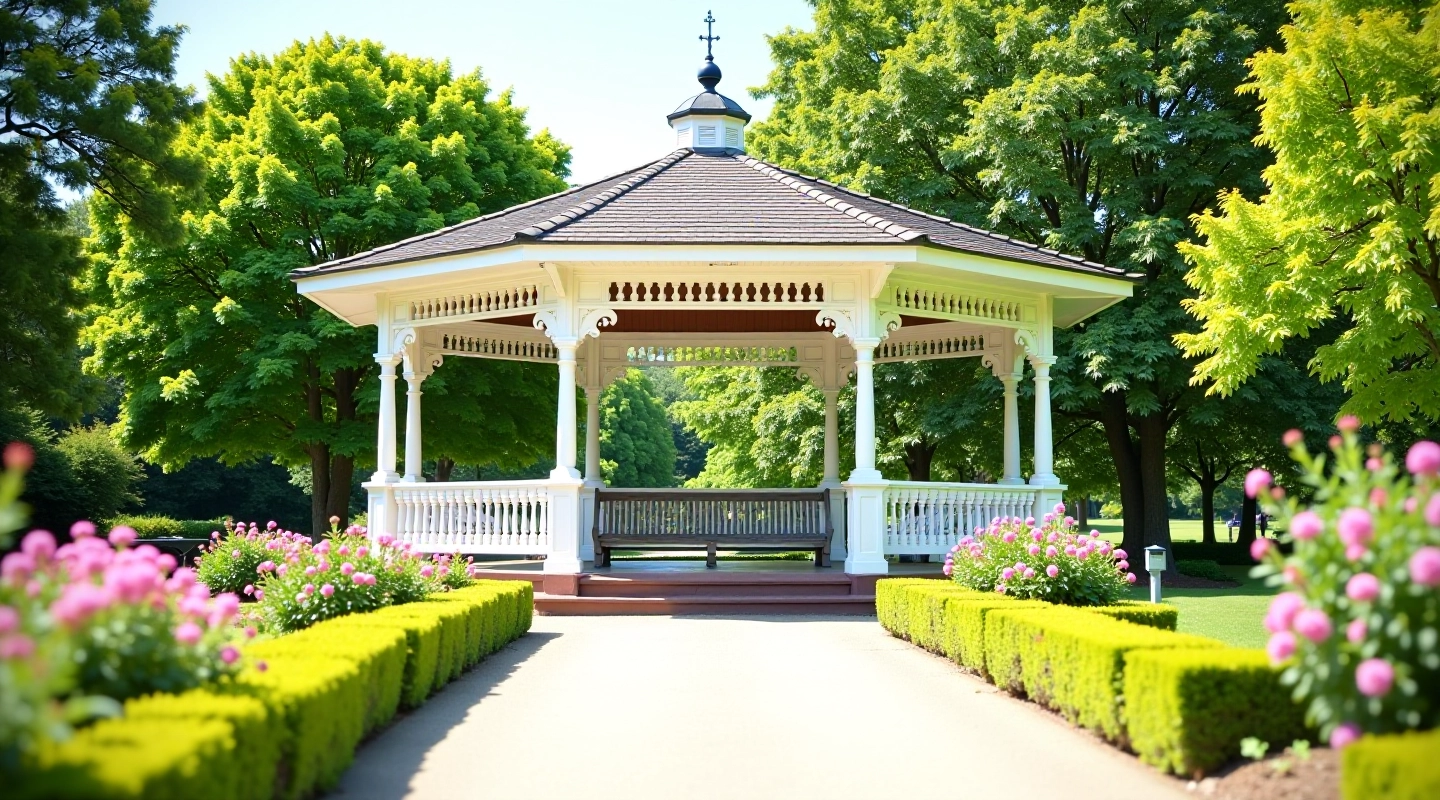
The Bandstand: Killarney's Heart of History
Explore the restored Victorian bandstand at the center of Killarney Park and its role in the town's social life.
Discover what flowers and plants are at their best each season. From spring bulbs to autumn colors, learn when to visit for the most beautiful views and peaceful garden walks.
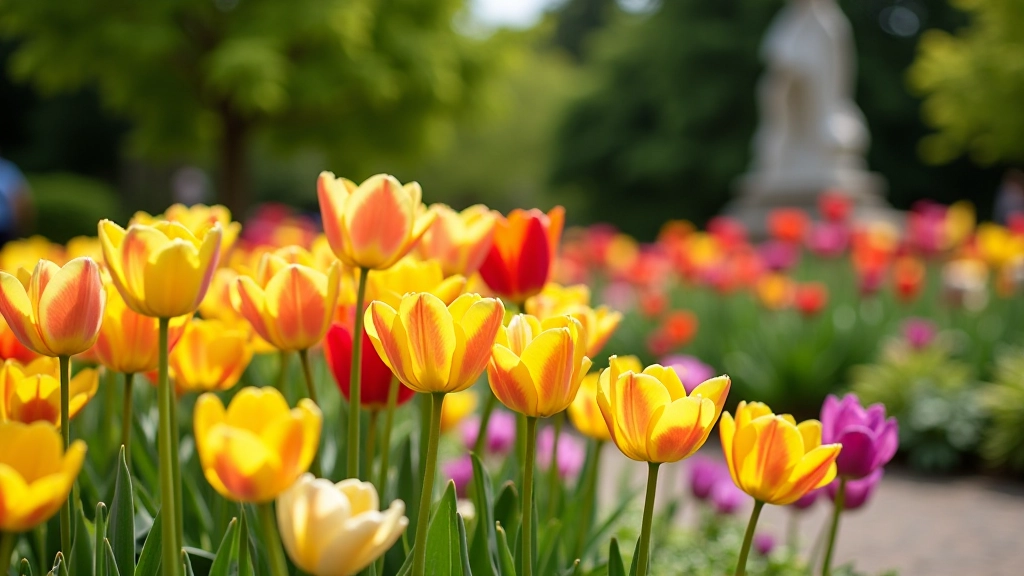

Killarney's seasonal gardens aren't static. They're living, changing spaces that offer something different depending on when you visit. Spring brings fresh energy with bulbs pushing through soil. Summer explodes with color and fragrance. Autumn transforms everything into warm tones. Winter, though quieter, has its own subtle beauty.
We've spent time in these gardens across all seasons. Here's what we've noticed blooms when, and what makes each period special for a peaceful walk.
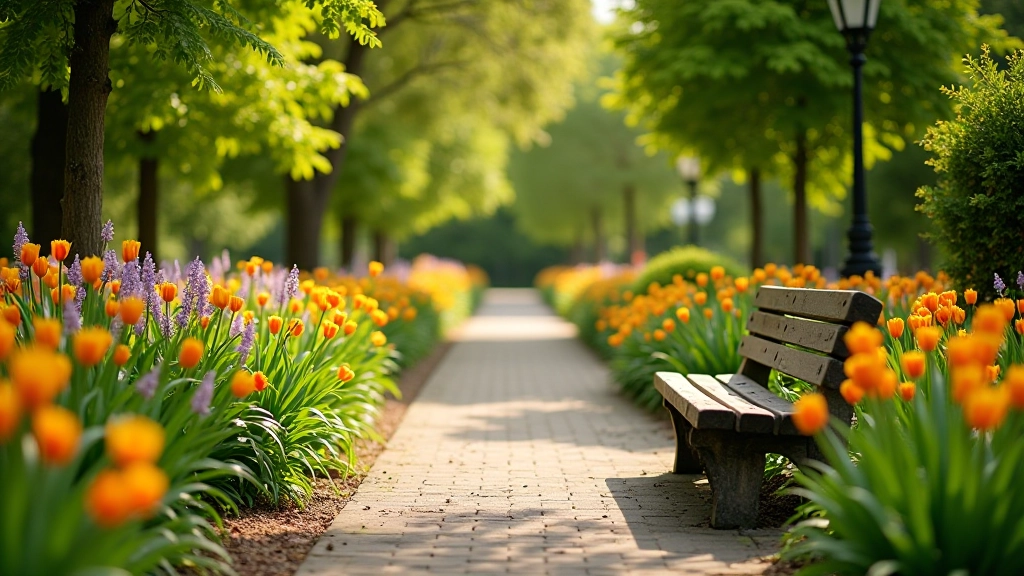
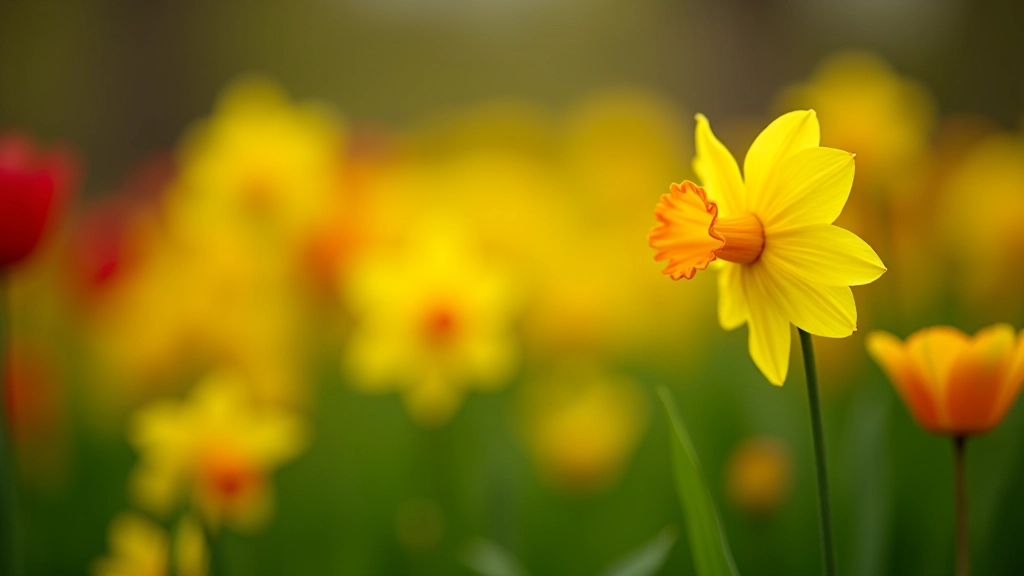
Spring arrives gradually in Killarney. Late February sees the first brave crocuses — purple and yellow mostly. By March, the daffodils really get going. We're talking thousands of them. The display isn't subtle. It's cheerful, honestly a bit overwhelming in the best way.
April brings tulips. These come in every color you'd expect: reds, pinks, purples, whites. The garden beds are planted deliberately, so colors complement rather than clash. Paths wind between these blocks of color. It's quiet but vibrant. Not crowded either — spring visitors are fewer than summer crowds.
June through August is when the gardens reach their absolute maximum. Roses dominate. Lavender fills the air with scent. Dahlias, zinnias, marigolds — everything that likes warmth and sun is out in force. The color palette shifts. Where spring was fresh and clean, summer is rich. Deep purples, full reds, golden yellows.
You'll find this is the busiest time. More visitors, more families. The park is genuinely active. But here's the thing — it's still manageable if you go early. Early morning visits (before 10 AM) mean you get the gardens largely to yourself. Plus the light is better for photos, and it's cooler for walking.
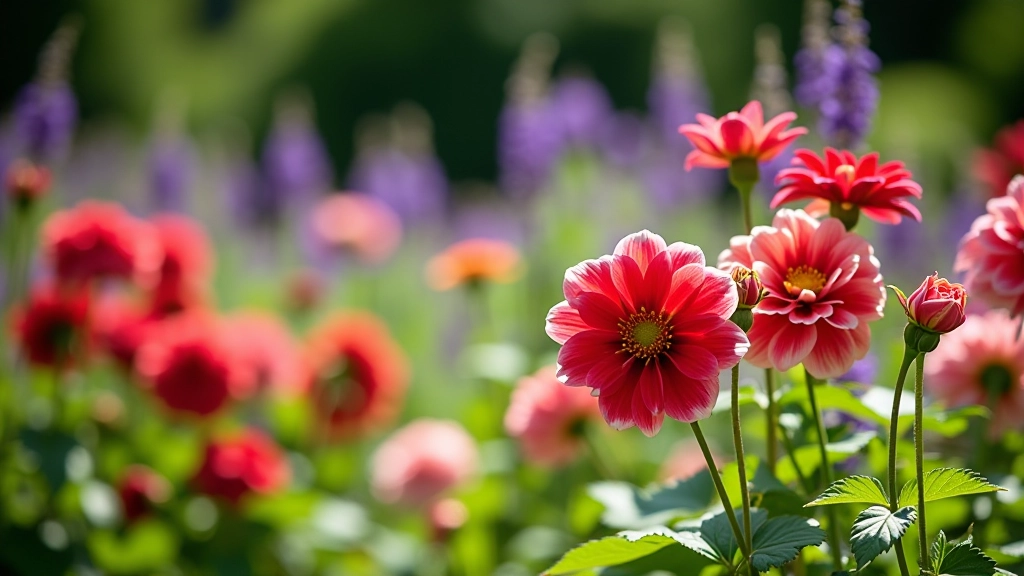
Note: Bloom times vary by year depending on weather. Warmer springs mean earlier flowering. Cold snaps can delay plants. The dates we mention are typical based on observations from recent years, but it's worth checking with the Killarney Park information center for current conditions if you're traveling specifically for a particular display.
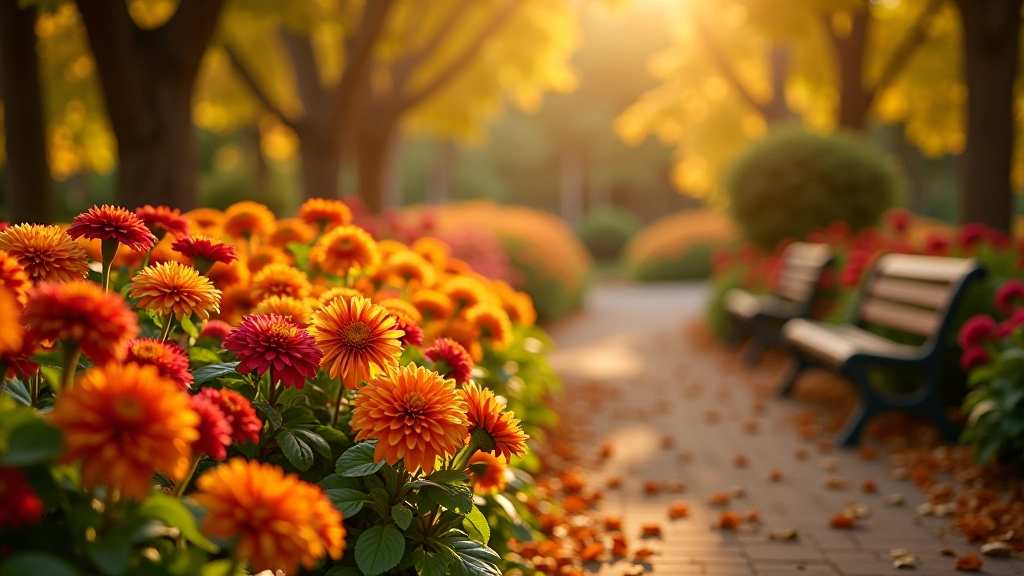
September through November transforms the gardens completely. Dahlias get even better in autumn light. Asters appear in purples and pinks. Ornamental grasses dry and catch the lower angle sun beautifully. The whole palette warms. Oranges, deep reds, burgundies. It's almost melancholic in how beautiful it is.
This is our favorite time honestly. You get the color without the summer heat. Crowds thin out significantly by October. There's space to breathe. The air's crisp. Walking feels purposeful rather than rushed. Many of the tender plants are being cut back, which means the garden structure becomes visible — you notice the bones of the planting, the pathways, the design underneath.
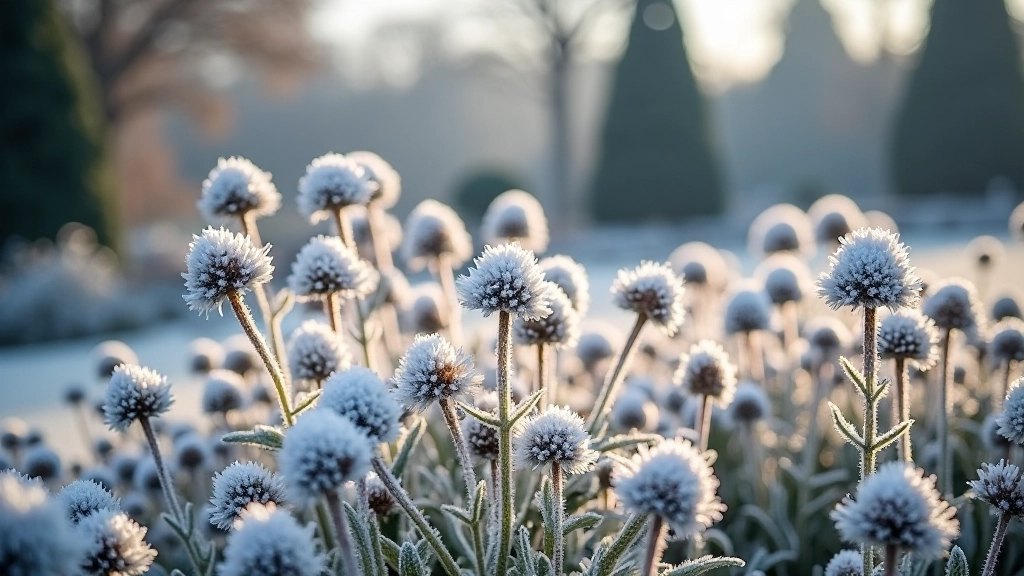
Winter's the quiet season. Frost, sometimes snow. Most flowering plants are dormant. But there's still something worth seeing. Evergreen structures hold form. Dried seed heads catch frost in intricate patterns. The bones of the garden design become architectural. And on sunny days — which do happen — the low light creates dramatic shadows.
Winter visits are peaceful. You'll rarely see other people in the garden sections. It's contemplative. Good for sitting on benches. The bandstand stands prominent without competition from flowers. If you want solitude and a different perspective on the park, winter's your season.
What's the right time to visit? It depends what you're after. Want maximum color? Summer's your answer. Prefer crowds kept to a minimum? Spring or autumn work well. Looking for contemplation and peace? Winter's surprisingly good. Spring's genuinely fresh and exciting if you can time the bulb peak.
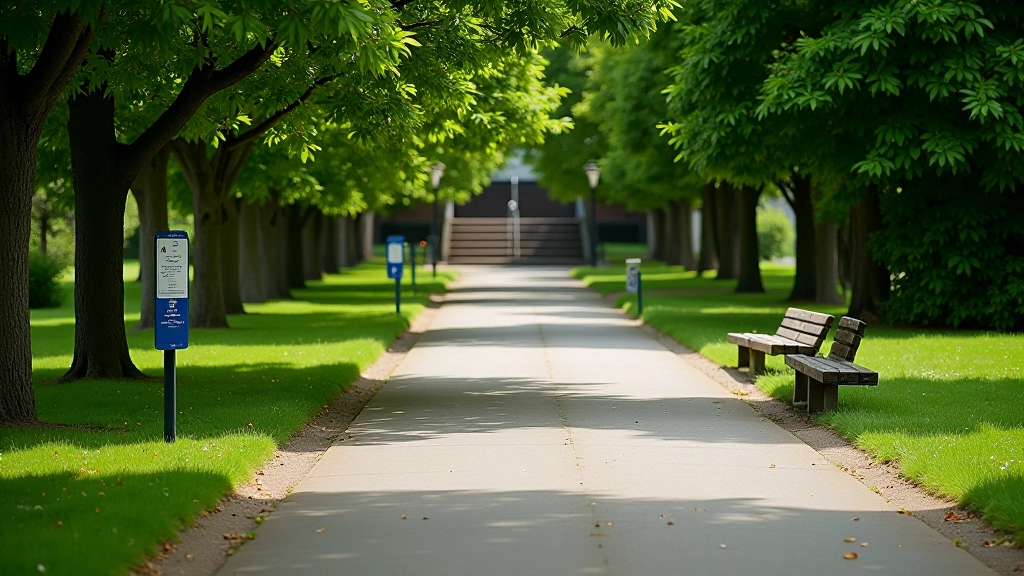
The gardens are free to access. They're part of Killarney Park. Open dawn to dusk basically, though the park facilities have standard hours. Benches are scattered throughout. There's parking nearby on Ross Road. The bandstand provides shelter and shade. Paths are mostly paved, which helps in wet conditions.
Explore the restored Victorian bandstand at the center of Killarney Park and its role in the town's social life.
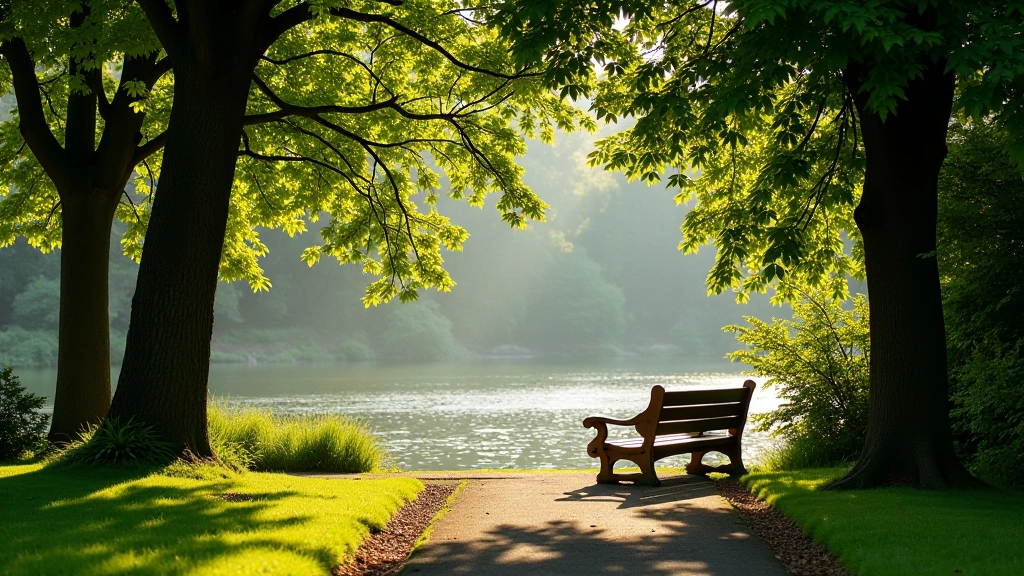
Find the best riverside seating along Ross Road with accessible benches and quiet spots for relaxation.
Learn about parking, paved routes, rest areas, and accessible features throughout the park.