
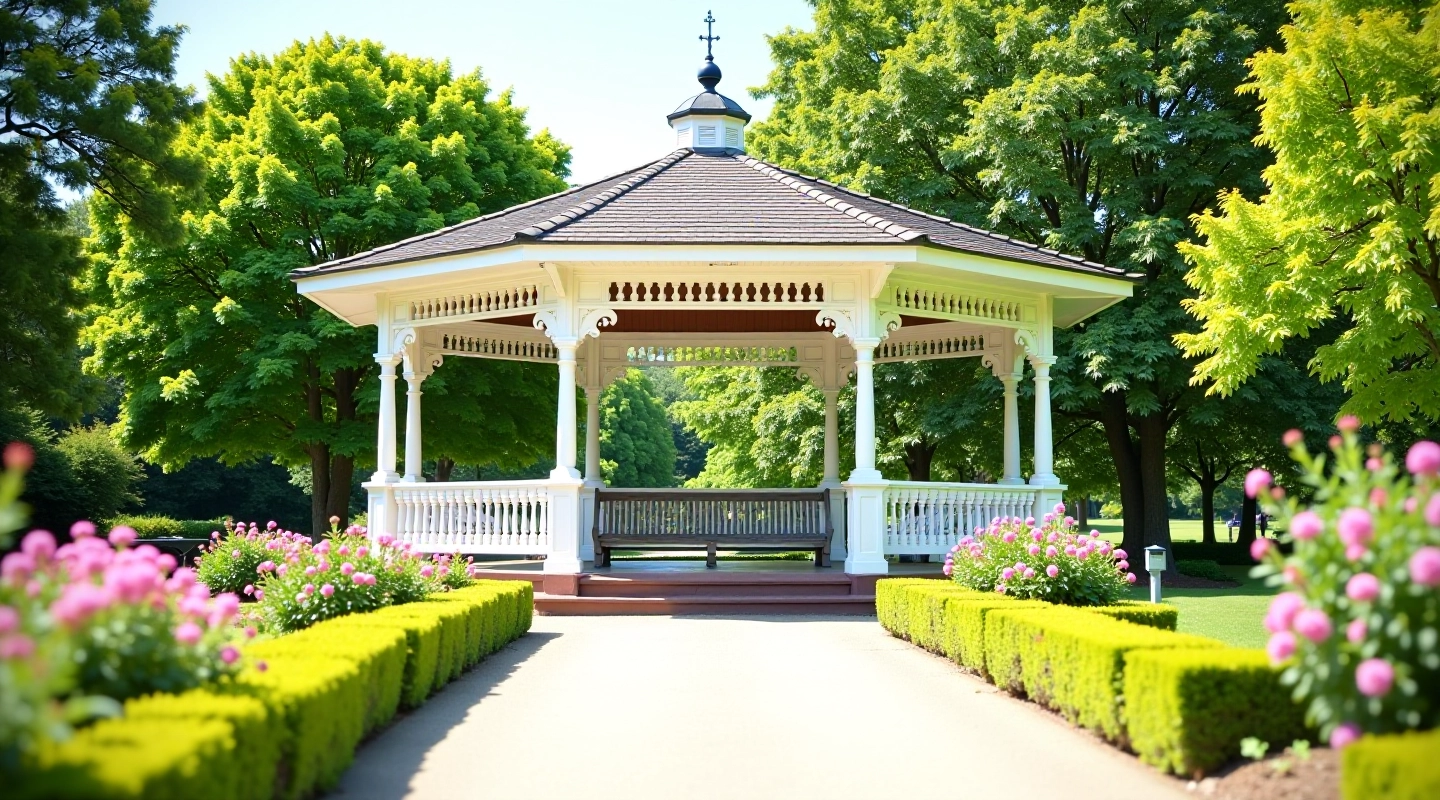
The Bandstand: Killarney's Heart of History
Explore the restored Victorian bandstand at the center of Killarney Park. We cover its history, architectural details, and why it remains a focal point for visitors.
Not all park areas are equally accessible. We detail parking options, paved routes, wheelchair-friendly benches, and rest facilities throughout the park so you can plan your visit with confidence.

Author
Easyaccessspares Editorial Team
Written by the easyaccessspares Editorial Team, focused on practical guidance for enjoying Killarney's parks and spa town relaxation spaces.
Killarney Park's 47 acres offer plenty to explore, but not every path or facility works for everyone. We've spent time mapping the park's actual accessibility features — the real details you need to know before you arrive.
Whether you're using a wheelchair, managing mobility challenges, or just prefer paved routes over gravel, this guide gives you specific information about parking, walking surfaces, seating, and rest points. You'll know exactly what to expect when you visit.
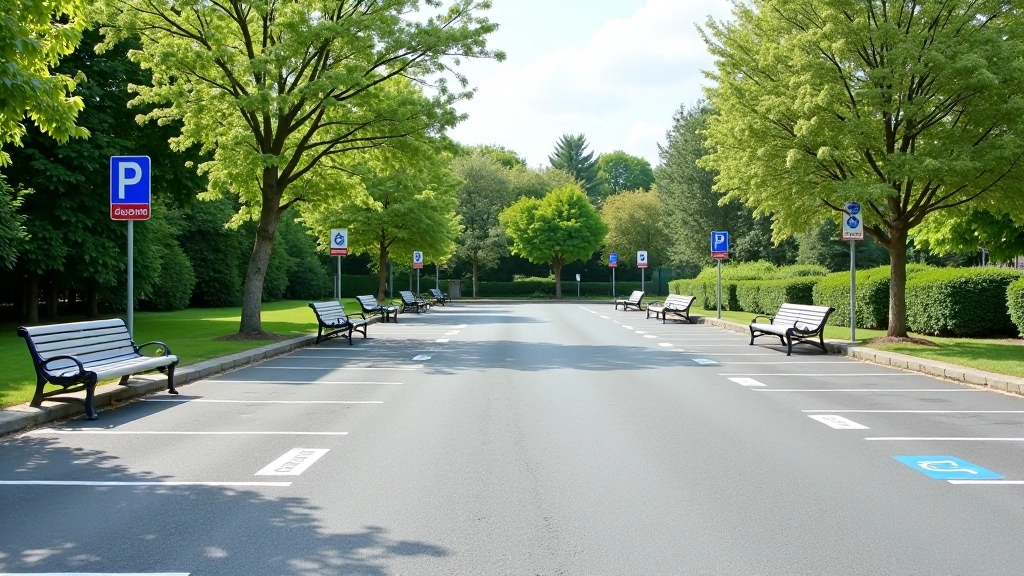
The main car park on Deenagh Lane has 8 designated accessible spaces right near the entrance. They're flat, well-maintained, and you're literally 20 meters from the main path. That matters more than you'd think.
If those are full, there's overflow parking across the road with a gentle ramp leading to the path. It's about 60 meters extra, but the surface is solid tarmac the whole way. The secondary entrance near Ross Road works well too — quieter, slightly less crowded, and the path gradient is minimal.
Drop-off points exist at both entrances. If someone needs to be left at the gate while parking is arranged, it's straightforward with flat ground and clear pathways from there.
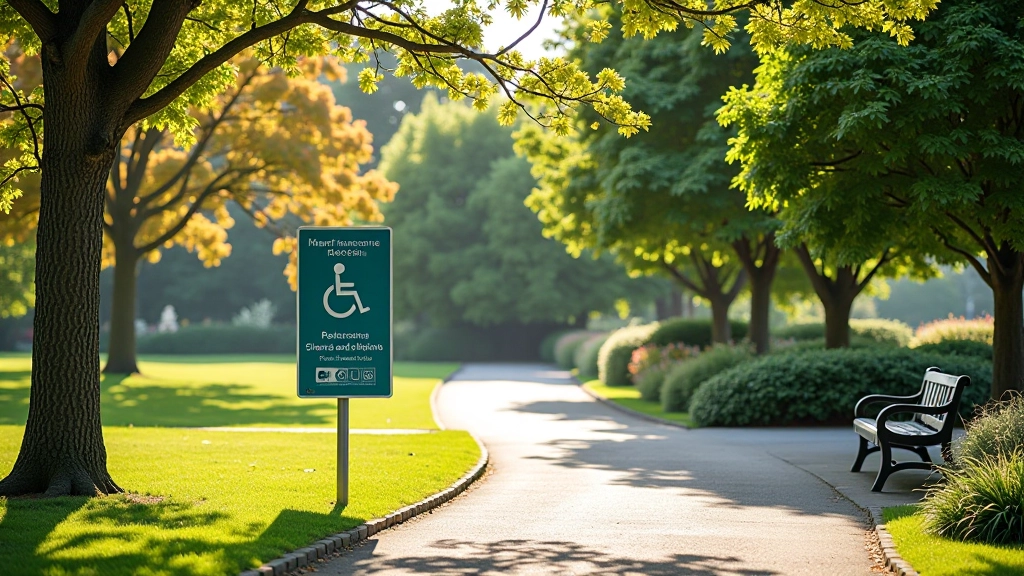
Park conditions vary with weather and maintenance schedules. While we've documented current accessibility features, surfaces can shift — especially after heavy rain or during winter months. It's always worth calling ahead to confirm specific routes or facilities if you have particular access needs.

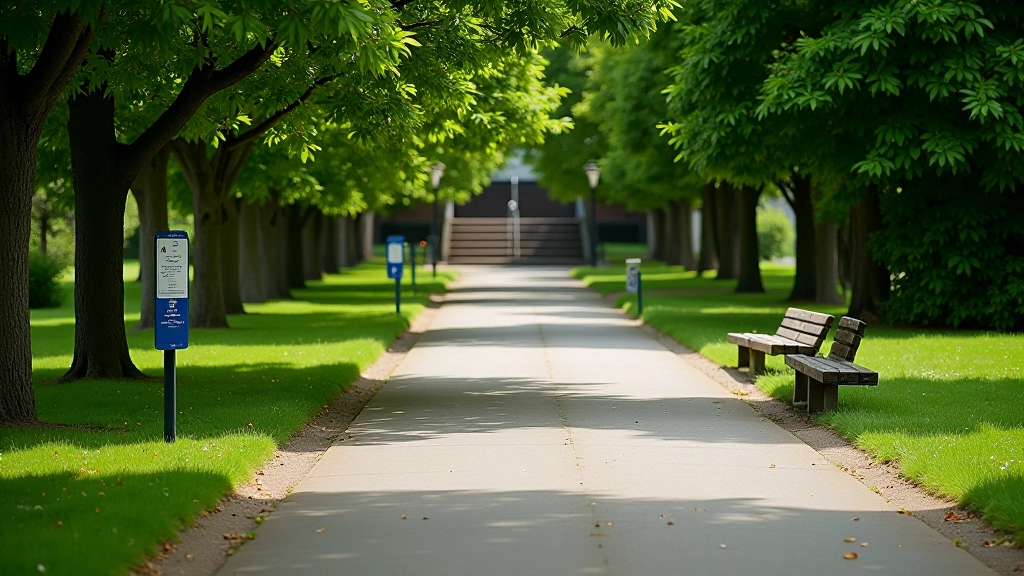
The main circuit — roughly 1.2km — is entirely tarmac. It's flat, it's wide enough for two wheelchairs to pass comfortably, and it connects the bandstand area to the lake viewpoint. Most people complete this loop in 25-35 minutes depending on pace.
The shorter loops around the water gardens are also paved, but narrower. They're fine for single-file mobility aids, but two wheelchairs would need to negotiate space. These routes take about 12-15 minutes each.
Gravel paths branch off toward the woodland areas. Beautiful walks, but not suitable if you need firm, level surfaces. We'd skip these unless you're comfortable on loose material.
There's no shortage of seating. Benches dot the main path every 150-200 meters. Most have back support, which helps. Some are wooden, some are modern metal — they're all accessible from the path without needing to step down or navigate obstacles.
The bandstand area has seating with shade, which you'll appreciate on warmer days. Ross Road benches are near water — quieter setting, good for longer sits. None require ramps or complicated access. You roll or walk right up to them.
If you need armrests for getting up and down, only a few benches have them. Worth knowing ahead of time. The picnic area near the main car park has tables with accessible seating — flat ground, no steps, easier to manage food and drinks while resting.

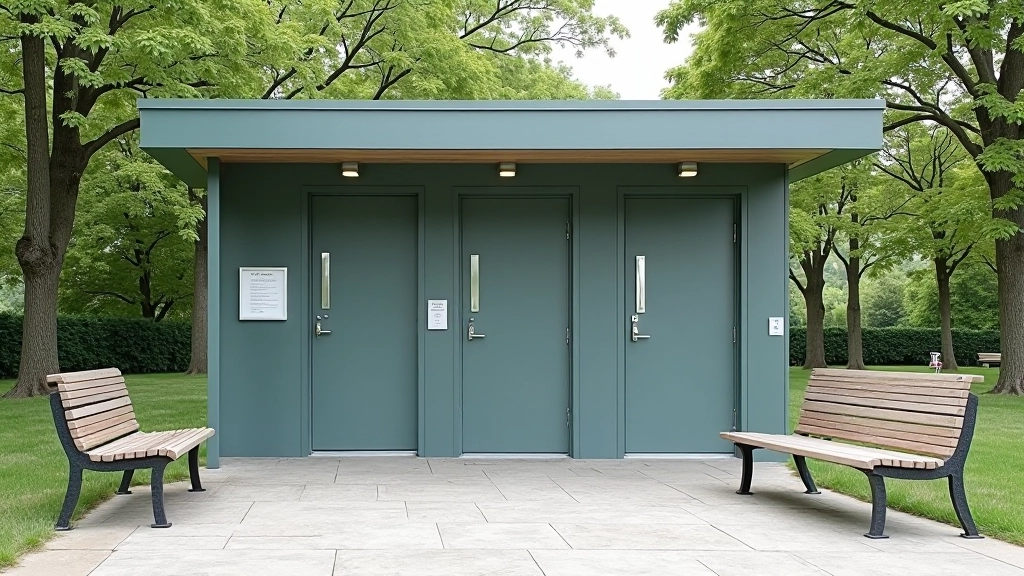
Accessible toilet facilities exist near the main car park. They're modern, kept clean, and accessed via the main paved area. No surprises — straightforward access from the car park to facilities without navigating gravel or steep approaches.
The visitor center has a café with accessible seating and ordering. It's not fancy, but the tables are at reasonable heights and there's space to maneuver. They're understanding about people who need to sit for longer periods while resting.
Water fountains are positioned at accessible heights along the main path. Good if you're managing mobility and want to stay hydrated without leaving the paved routes. Bins are similarly positioned — important if you're managing medical waste or rubbish from mobility aids.
Early mornings (before 10am) are quieter — fewer people navigating the paths. Weekday visits are calmer than weekends. Weather matters more than time of day. Rain makes tarmac slippery for wheelchairs; overcast days are more comfortable for longer visits.
Main loop: 25-35 minutes. Shorter water gardens circuits: 12-15 minutes each. Add rest time if you're moving slowly or stopping frequently. A two-hour visit gives you the main circuit, several rest breaks, and time in the café without feeling rushed.
Ring the visitor center if you have specific access needs — mobility device width, service animal questions, or recent maintenance work that might affect your preferred routes. They're used to these conversations and can give you current, detailed information.
Winter brings leaf debris on paths — less visible but still navigable. Spring and summer mean full vegetation and occasional maintenance closures of shorter routes. Autumn is typically clear and pleasant. Plan according to your comfort with changing conditions.
Killarney Park's accessibility is genuinely strong. It's not perfect — nowhere is — but the main areas work well for people with varied mobility needs. The paved surfaces are solid, parking is straightforward, seating is abundant, and facilities are properly positioned.
What we like about this park is that accessibility isn't an afterthought. The design assumes people with different mobility levels will visit, and it's built accordingly. That changes your experience. You're not fighting the environment; you're just enjoying the space.
Visit the main circuit first. Get a feel for the paved routes, try the seating, use the facilities. Once you're comfortable, explore the shorter loops if they appeal. The park's yours to experience at whatever pace works for you.
Explore the restored Victorian bandstand at the center of Killarney Park. We cover its history, architectural details, and why it remains a focal point for visitors.
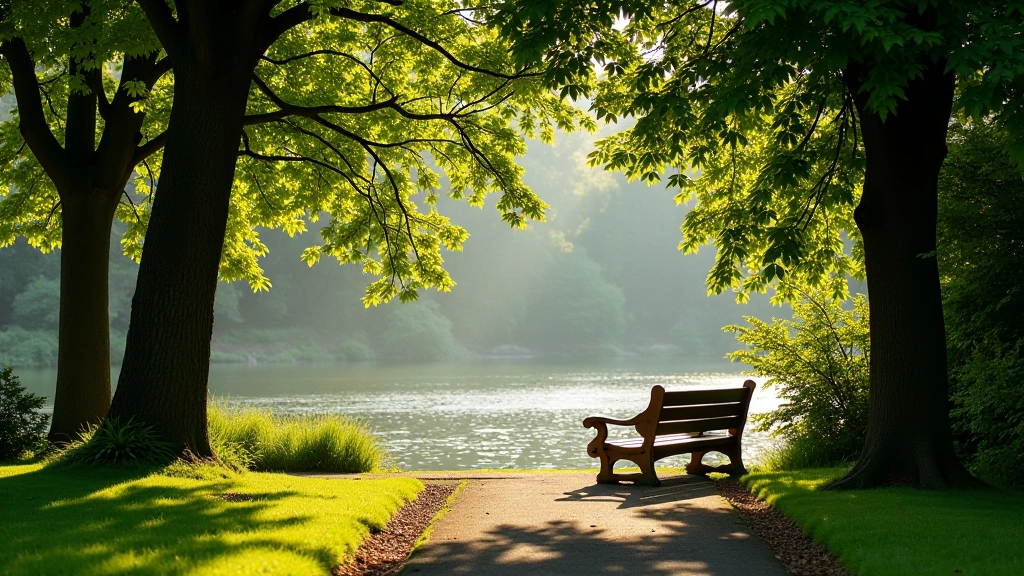
Find the best riverside seating along Ross Road. We've mapped accessible benches, shade patterns, and quiet spots perfect for longer visits.

Discover what flowers and plants are at their best each season. From spring bulbs to summer color, plan your visits around peak blooming periods.